Fast, Reliable Attic Insulation Across Lakewood
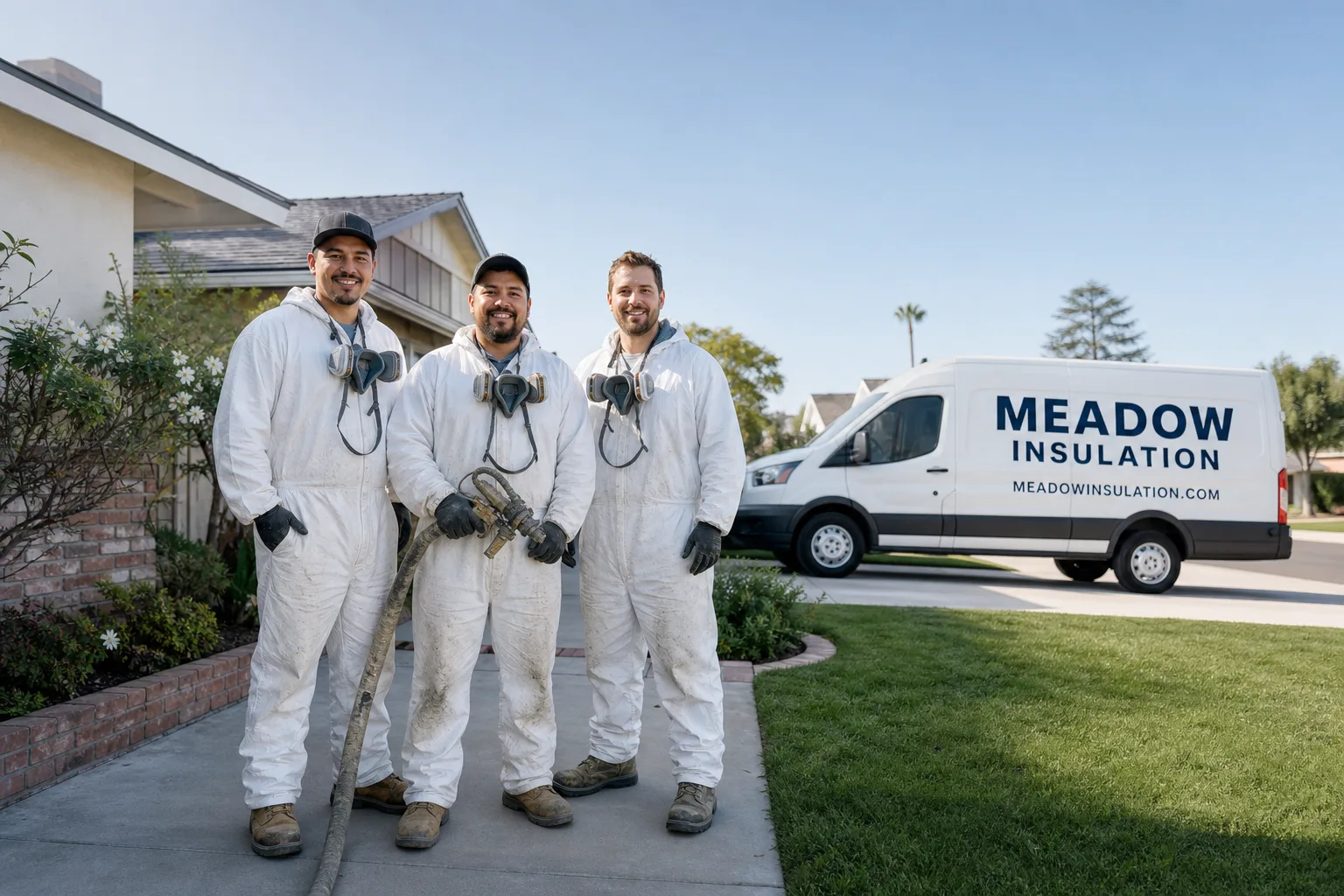
Attic insulation in Lakewood is almost always a retrofit job on a 70-year-old Lakewood Park Company tract home, and the first step is rarely the insulation itself. Most of these houses have no soffit vents, which means heat and moisture get trapped in the attic until the insulation fails and mold moves in. We know these floor plans well, because we work on them every week. Meadow Insulation reaches most Lakewood neighborhoods within 30 to 45 minutes from Villa Park, and you can call (833) 589-8312 for a free estimate.
Why Meadow Insulation Is Lakewood’s Preferred Attic Insulation Company
Lakewood homeowners don’t need a generalist with a pick-up truck and one brand of fiberglass. They need someone who understands why a 1952 stucco tract house on a 5,000 square foot lot behaves differently than a 1990s stucco house in Cerritos. Our Attic Insulation team is authorized to install products from eight manufacturers, including Owens Corning, Johns Manville, and Rockwool, so we’re never forcing a product that doesn’t match the structure. That matters here, because the original Lakewood Park Company homes have shallow attics with 2×4 rafters and no eave venting, and the wrong insulation install makes those problems worse, not better.
We’ve rebuilt attics in the Mayfair neighborhood, the Carson Park area, and throughout the 90712 and 90713 zip codes. The feedback we hear most is that we explain what the attic actually needs before recommending anything. That’s the job. Allen Drummond, who runs our team, has spent years working on these exact tract homes, and he’s the one who trains every installer on how to handle a no-vent Lakewood attic properly. We answer the phone, show up when we say we will, and we don’t upsell what the house doesn’t need.
Attic Cleaning Services in Lakewood
Attic Cleaning Services in Lakewood usually start with an unpleasant discovery: years of trapped moisture and heat have turned old insulation into a compressed, dusty, sometimes mold-stained mat. The shallow attics in original Lakewood Park Company homes make this worse, because there’s nowhere for heat to go. A full attic cleaning here typically involves removing the old batts or blown material, vacuuming out dust and pest debris, sanitizing the deck, and checking for rodent entry points along the eaves. Most Lakewood attic cleanings run $800 to $1,600 depending on attic size and how much material has to be bagged and removed.
What Cleaning Covers in a Lakewood Attic
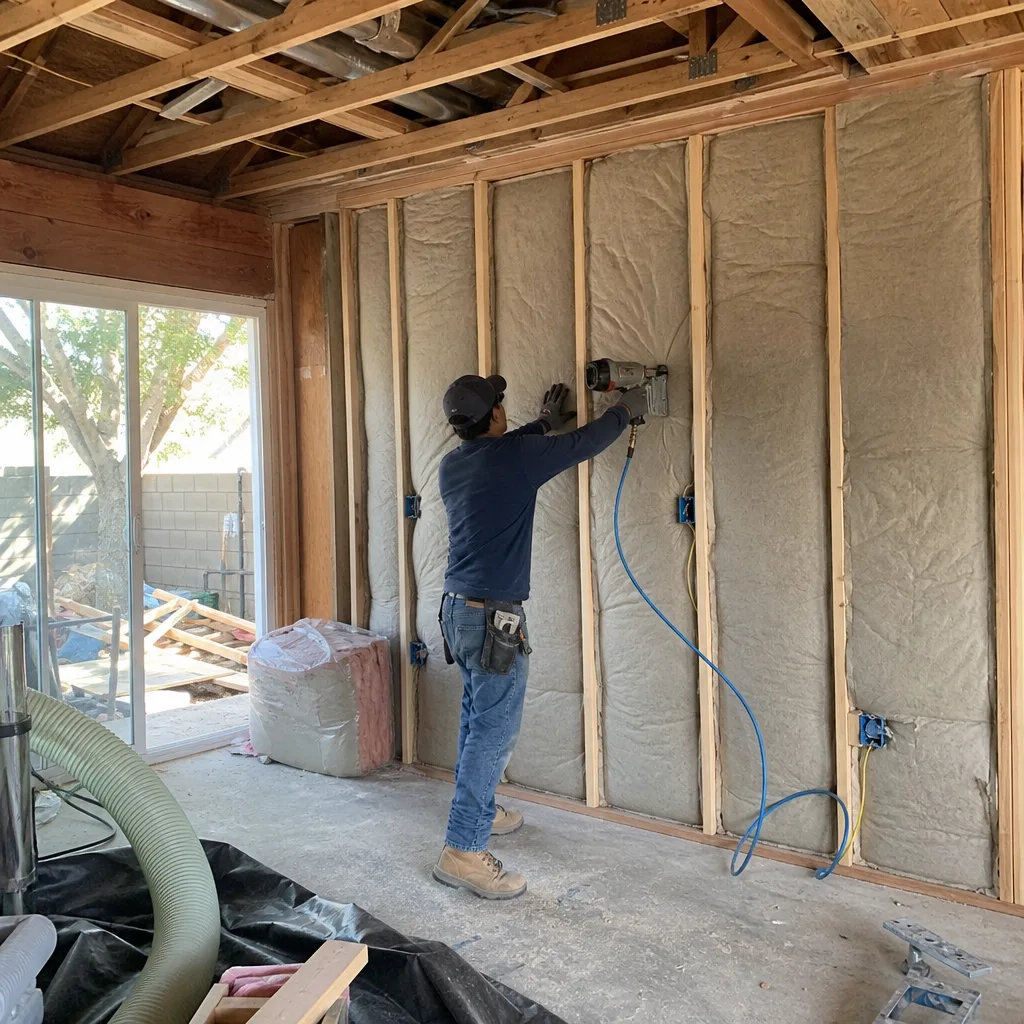
We remove existing insulation, whether it’s the original pink fiberglass batts or a later blown-in cellulose top-up. Then we vacuum the deck and joist bays, check the rafters for moisture staining, and flag any venting issues before new insulation goes in. On most Lakewood jobs, this is the moment we discover the soffits were never vented, which explains why the old insulation failed in the first place.
When Cleaning Makes Sense Before Insulating
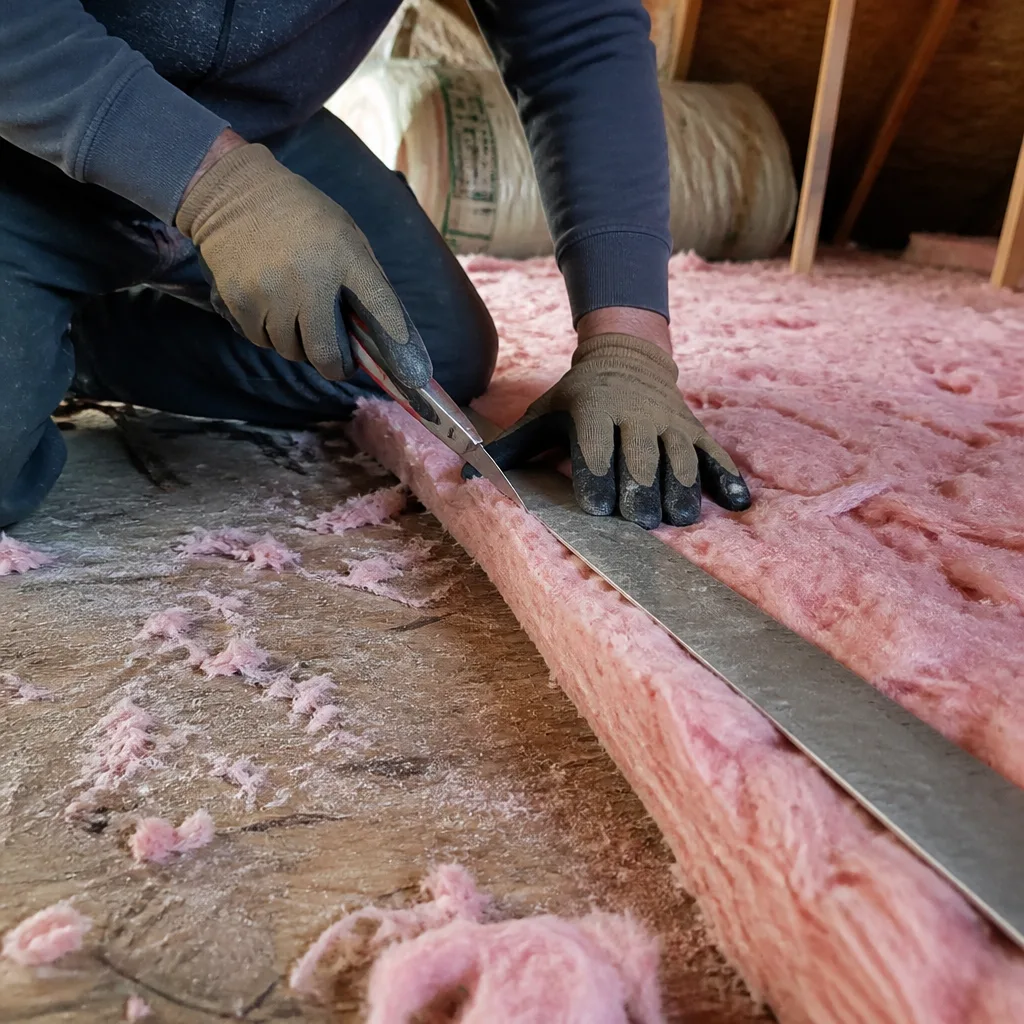
If the attic smells musty in summer, if you see dust trails at the ceiling light fixtures, or if the insulation looks flattened and gray, cleaning is the right first step. Adding new insulation on top of degraded material seals in the problem. In Lakewood’s marine-layer climate, trapped moisture doesn’t dry out on its own, it just migrates into the framing.
What happens when you call
- 1
A real person answersNo phone trees — you reach a local pro.
- 2
You get an upfront price rangeHonest numbers before anyone is dispatched.
- 3
A background-checked tech heads outLicensed & insured, dispatched right away.
- 4
You approve before work beginsNothing starts until you say go.
Attic Mold Removal in Lakewood
Attic Mold Removal in Lakewood should be addressed at the same time as insulation, because the two problems feed each other. When a Lakewood Park Company attic has no soffit vents, warm moist air from the living space rises into the attic, hits the cool underside of the roof deck at night, and condenses. That condensation soaks into the framing and insulation, and mold follows within a season or two. We’ve removed mold from attics in Lakewood where the deck sheathing was stained across half the roof plane. Mold removal and sanitization on a typical 1,000 to 1,100 square foot Lakewood attic runs $500 to $1,200, depending on how far the growth has spread.
Soffit Venting Before Mold Remediation
Here’s the order that works in Lakewood: cut and install eave vents first, then remove moldy insulation and sanitize, then air-seal the top plates, then install new insulation. If you skip the venting, the mold returns in two years, because the attic still traps moisture. On a 1953 Lakewood Park Company home in the Mayfair neighborhood, the attic had the original 2×4 rafters and zero soffit venting, and the few batts left were compressed and moldy from trapped moisture. We cut and installed six eave vents, removed the old batts, air-sealed the top plates, and blew in GreenFiber to R-38, dropping the attic temp from 142°F to 118°F on a 90°F day.
How We Treat Mold in Lakewood Attics
After the venting is fixed and the contaminated insulation is removed, we treat the affected framing and deck with a mold-killing agent rated for attic use, then allow the space to dry thoroughly before new insulation goes in. For homes near the 605 and the San Gabriel River channel, where morning marine layer lingers longer, we may recommend a mold-resistant insulation product or additional venting. The roof deck doesn’t need to be replaced in most cases, just treated and allowed to dry.
Trusted Brands We Service in Lakewood
We install and service attic insulation from Owens Corning, Johns Manville, and Rockwool, and we keep materials suited to Lakewood’s housing stock on hand rather than ordering everything job-by-job. For shallow 2×4 rafter attics, Rockwool’s mineral wool batts fit well and give you fire resistance and sound dampening that standard fiberglass can’t match. For deeper attics with good venting, we often recommend Owens Corning blown-in fiberglass or GreenFiber cellulose. We’re not tied to one brand, which means the recommendation you get is based on your home, not our inventory. That matters when you’re dealing with a 70-year-old Lakewood floor plan that has specific airflow and clearance issues.
Common Attic Insulation Problems We See in Lakewood Homes
- No soffit vents from the original 1950 – 1953 build. The Lakewood Park Company homes went up fast, and attic ventilation wasn’t part of the spec. Trapped heat and moisture degrade insulation within a few seasons, and every summer the problem compounds. We fix this before anything else.
- Compressed, mold-stained batts in shallow attics. A 2×4 rafter attic barely has room for R-13 batts, let alone proper R-38. When homeowners add batts on top of batts, the weight compresses everything and the R-value drops. Removal and a clean reinstall is the right fix.
- Uninsulated 2×4 wall cavities behind stucco. In the original Lakewood homes, the walls are often empty. That’s a major heat gain source in summer and heat loss in winter, and stucco makes drilling and filling from the outside a careful job. Not impossible, but not a side project either.
- Attic temperatures hitting 140°F despite the coastal location. People assume a city near Long Beach stays cool, but a low-pitch roof with no venting and no radiant barrier behaves like an oven. Proper venting plus R-38 attic insulation drops that attic temp dramatically and your AC stops running overtime.
Pricing for Attic Insulation in Lakewood, CA
For a typical 1,000 to 1,300 square foot Lakewood tract house, attic insulation plus air sealing and soffit venting runs $2,200 to $4,500. A straightforward top-up of blown-in insulation in an already-vented attic runs $900 to $1,600. Full removal of old insulation, sanitizing, venting, and new R-38 insulation runs $3,000 to $6,000 depending on attic access and mold remediation needs. If your attic has never been vented, plan for venting as a separate line item of $500 to $1,200. Estimates are free, and we’ll tell you exactly what’s needed before any money changes hands. Call (833) 589-8312 to schedule a walkthrough.
We Also Serve Cities Near Lakewood
Meadow Insulation serves Lakewood and the surrounding communities. That includes Signal Hill, Bellflower, Long Beach, and Paramount, where the housing stock and attic challenges are similar but not identical to what we see in Lakewood’s tract homes. If you’re across the city line, call us and we’ll talk through what your attic needs.
Serving Lakewood, CA — Our Local Coverage Area
We’re based in the Lakewood area and know this community well. Use the map below to see our service coverage — if you’re nearby, we can almost certainly help.
FAQs About Attic Insulation in Lakewood
Most Lakewood attic insulation jobs need new eave vents first because the original Lakewood Park Company homes were built without soffit venting, which traps heat and moisture in the attic and ruins insulation within a few years. We cut and install eave vents before adding insulation so the new material doesn’t fail the same way. Call (833) 589-8312 for a venting inspection.
The best insulation for a 1950s Lakewood tract home with shallow 2×4 rafters is either Rockwool mineral wool batts, which fit the shallow cavity and add fire resistance, or GreenFiber blown-in cellulose if the attic has adequate venting and depth. We match the product to your specific attic, not the other way around. Estimates are free.
Lakewood homeowners should inspect attic insulation every two to three years, because the combination of 140°F attic temperatures, trapped moisture, and rodent activity degrades it faster than in vented attics elsewhere. If you notice rising AC bills or hot ceilings in summer, that’s the signal to check sooner. Call (833) 589-8312 and we’ll take a look.
Yes, attic mold in a Lakewood home can be removed without opening up the ceiling, since the mold growth is usually on the attic side of the deck and framing, not inside the living space. We treat the affected wood, remove contaminated insulation, and fix the venting so it doesn’t return. Call (833) 589-8312 for an inspection.
No, Lakewood’s stucco walls don’t make blown-in wall insulation impossible, but they make it invasive and slow, because the drill-and-fill access points are behind the stucco skin and often hidden by shrubs or concrete walks. We’ll assess whether your 2×4 wall cavities are worth filling before recommending it. Call (833) 589-8312 to schedule an assessment.
Written by Allen Drummond, Owner at Meadow Insulation, serving Lakewood and the surrounding communities with attic insulation, air sealing, and venting work.