Fast, Reliable Attic Insulation Across Newport Beach
If your Newport Beach home has uneven room temperatures, high summer cooling bills, or insulation that’s seen better decades, attic insulation work here is a moisture-and-corrosion problem first, not just an R-value calculation. Meadow Insulation has worked in homes from Balboa Island to Corona del Mar, and we know what the marine layer does to the wrong materials. Call (833) 589-8312 for a free estimate, and we’ll send a specialist, not a salesperson, to look at what’s happening above your ceiling.
Why Meadow Insulation Is Newport Beach’s Preferred Attic Insulation Company
Most Newport Beach homes we inspect have insulation that was never specified for coastal air. That’s the core issue. An installer who treats a bay-front cottage on Balboa Island the same as a tract home in Irvine will put in paper-faced batts that sag and mold years early. We don’t do that. Our Attic Insulation team matches the material to the structure and the exposure: Rockwool where salt and damp are constant, GreenFiber cellulose where airflow and coverage matter, closed-cell spray foam where vaulted ceilings leave no room for ventilation.
Homeowners in Dover Shores, Eastbluff, and the peninsula call us because we give straight answers about what’s failing and why. Allen Drummond, our owner, has built the company around product depth rather than pushing one brand. We carry eight manufacturers, including Johns Manville, Knauf, Rockwool, and CertainTeed, so you get a recommendation based on your attic’s condition, not our inventory. When a Newport Beach customer calls about a mold-stained attic above a kitchen or a bedroom that won’t hold temperature, we can usually be on site within a day or two to assess it.
Attic Cleaning Services in Newport Beach
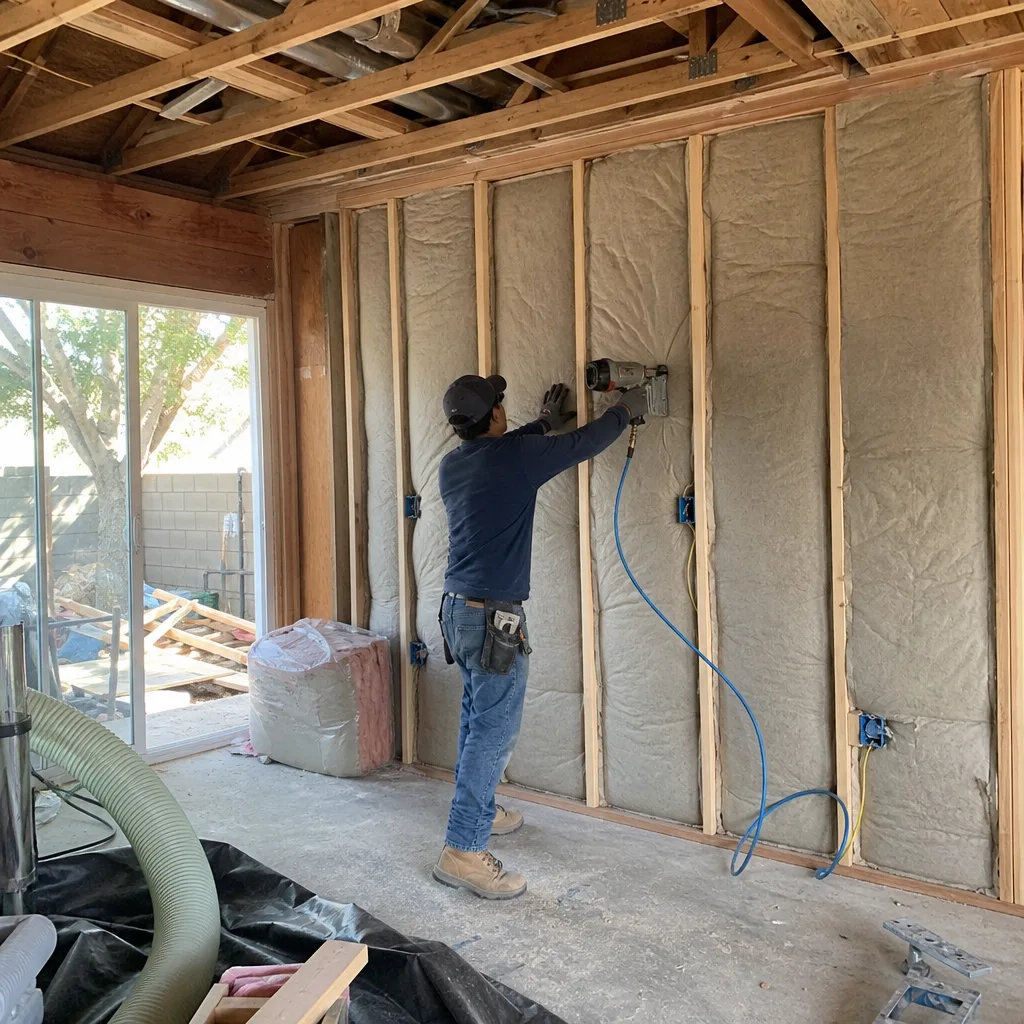
Attic Cleaning Services in Newport Beach mean more than vacuuming dust. In our coastal neighborhoods, the job usually involves removing degraded insulation, addressing rodent or pest residue, clearing blocked soffit vents, and prepping the space for new material that will actually stay dry. Homes near the Back Bay and along the harbor routinely collect fine silt and salt residue in attic spaces, which settles into batts and reduces their performance long before the rated lifespan.
What Cleaning Involves Here
A typical attic cleaning in Newport Beach runs $400 to $1,200 depending on attic size, access, and how much failed material needs removal. On Balboa Island cottages with shallow attics, access is often through a closet ceiling or a small exterior hatch, and the work takes longer because everything moves by hand, not by machine. We inspect the framing while we’re in there. Salt air corrodes staples and foil facings, and catching that early saves you a bigger tear-out later.
When You Need It Before Reinsulating
If you see staining on ceiling drywall, smell something musty when the attic hatch is open, or notice old insulation has slumped between joists, cleaning comes first. You can’t lay new material over mold or compacted debris and expect it to perform. We treat the space, let it dry, and only then recommend what goes back in.
What happens when you call
- 1
A real person answersNo phone trees — you reach a local pro.
- 2
You get an upfront price rangeHonest numbers before anyone is dispatched.
- 3
A background-checked tech heads outLicensed & insured, dispatched right away.
- 4
You approve before work beginsNothing starts until you say go.
Attic Mold Removal in Newport Beach
Attic Mold Removal in Newport Beach is one of our most common calls, particularly from canal-front and bay-front homes where persistent marine-layer humidity keeps attic dew points high. Mold takes hold on paper-faced batts, on the underside of roof sheathing, and around poorly vented bathroom fans. In Newport Beach’s 1920s – 1950s beach cottages, original construction often routed warm, moist air straight into the attic, and half a century of that leaves visible damage.
Where We Find It Most
Balboa Peninsula and Balboa Island homes are the worst affected. Salt spray accelerates the breakdown of kraft facing, and once the facing fails, the batt becomes a moisture sponge. Mold removal in these attics typically runs $800 to $2,500, varying with square footage and whether the roof deck itself needs treatment. We remove the contaminated material, treat the framing with an antimicrobial, and correct the ventilation problem so it doesn’t return in two years.
After Removal: Getting It Right the Second Time
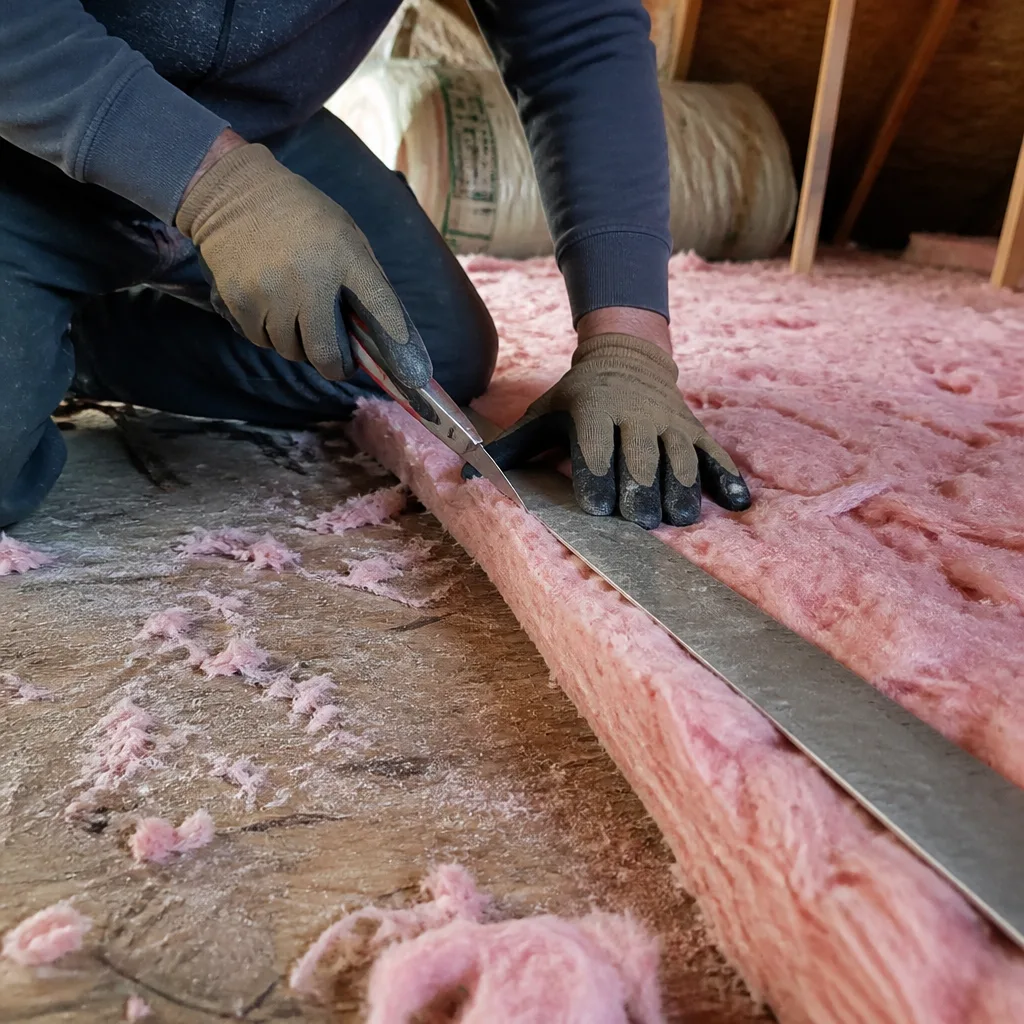
The mistake we see often is a homeowner or handyman pulling out moldy batts and laying in the same paper-faced product. In Newport Beach, that’s a repeat job waiting to happen. We specify corrosion-resistant vapor management and, where appropriate, Rockwool or closed-cell foam, so the replacement actually lasts. The right fix considers what the marine layer does to materials month after month.
Trusted Brands We Service in Newport Beach
We install Johns Manville, Knauf, Rockwool, and CertainTeed across Newport Beach, along with four other manufacturers in our full roster. That range matters here because one product won’t serve a bay-front cottage and a new Corona del Mar rebuild equally. Our team is authorized to install all of it, and we stock common components locally so turnaround in Newport Beach stays fast. Whether a home needs Rockwool’s mineral wool for fire resistance and sound dampening, CertainTeed’s fiberglass, or GreenFiber’s recycled-content cellulose, the material is matched to the attic’s actual conditions, not to what’s easiest.
Common Attic Insulation Problems We See in Newport Beach Homes
- Paper-faced batt failure in canal-front and bay-front attics: Salt spray and persistent humidity break down kraft facing years early. We regularly find sagging, mold-stained batts in homes on Balboa Island and the peninsula that would have lasted decades inland.
- Condensation on vaulted and cathedral ceilings: Dover Shores and Corona del Mar rebuilds often have open, vaulted ceilings with almost no attic cavity. Warm indoor air hits the underside of the roof deck, condenses, and degrades insulation from above without anyone noticing until a stain appears.
- Crushed insulation from forced retrofits: Original 1920s – 1950s beach cottages frequently lack proper attic access or have knob-and-tube-era framing. Installers who force standard batts into these shallow spaces block soffit airflow and worsen the moisture problem they were hired to fix.
- Rodent and pest damage in beach-adjacent attics: The same vents that should exhaust attic air can let in rodents if screens are missing. Nests, droppings, and chewed vapor barriers are common in older Newport Beach homes, and they compromise any insulation’s performance quickly.
Pricing for Attic Insulation in Newport Beach, CA
A complete attic insulation replacement in Newport Beach typically runs $1,800 to $4,200 for a standard 1,200 – 1,800 square foot home. Blown-in attic insulation sits at $1,500 to $3,000. Attic insulation top-up, where existing material is adequate but under-depth, runs $900 to $2,200. Attic baffles and ventilation prep adds $300 to $900 depending on the roofline and access. Vaulted-ceiling work in Corona del Mar rebuilds skews higher, $2,800 to $5,500, because of the access and material complexity. These ranges are for Newport Beach’s housing stock specifically: older, shallow attics and salt-exposed framing add labor, not material cost. Call (833) 589-8312 for a precise quote. Estimates are free, and you’ll get a number before any work is scheduled.
We Also Serve Cities Near Newport Beach
We work throughout coastal Orange County, including Costa Mesa, San Joaquin Hills, Fountain Valley, and Irvine. If you’re in Newport Beach or nearby, the same moisture-aware approach applies. For a free estimate on attic insulation anywhere in the harbor area, call (833) 589-8312.
Serving Newport Beach, CA — Our Local Coverage Area
We’re based in the Newport Beach area and know this community well. Use the map below to see our service coverage — if you’re nearby, we can almost certainly help.
FAQs About Attic Insulation in Newport Beach
Failures on Balboa Island happen because salt-laden marine air corrodes the staples and foil facings that hold batts in place, while persistent humidity keeps the material damp enough to sag and mold. Insulation rated for decades inland can look spent in seven to ten years out there. That’s why we specify corrosion-resistant materials like Rockwool or closed-cell foam for island homes. Call (833) 589-8312 and we’ll assess what you’re up against.
Yes, but it takes a different method than a standard batt install. Shallow attics with little room for ventilation trap moisture, so we often combine blown-in GreenFiber cellulose for coverage with a vapor-retarder system and baffles to keep soffit airflow open. On a 1940s Balboa Island cottage, we removed sagging paper-faced batts, treated the framing, and installed Rockwool batts with a vapor-control layer before adding blown-in fiber to even out depth. That kind of work is standard for us in the older peninsula homes, not an exception.
Closed-cell spray foam is usually the best option for vaulted and cathedral ceilings because it creates an air and vapor barrier within the cavity itself. These newer rebuilds often have no real attic space, so open-cell foam or batts leave the roof deck exposed to condensation. Closed-cell spray foam also adds structural rigidity, which helps on large open spans overlooking the harbor. We install it through Icynene and Demilec, both of which hold up to coastal conditions.
Yes, we remove mold-stained insulation as part of every attic mold job. On canal-front and bay-front homes, the stain usually traces back to a failed vapor barrier or blocked soffit vent, so removal alone won’t solve it. We remove contaminated material, treat the framing, and rebuild the ventilation path before installing new insulation. Expect $800 to $2,500 for a typical removal and treatment, with the final number depending on attic size and how far the moisture spread. Call (833) 589-8312 for a site visit.
We install Johns Manville, Knauf, Rockwool, and CertainTeed, plus four other manufacturers: Owens Corning, Icynene, Demilec, and GreenFiber. For coastal Newport Beach specifically, Rockwool and closed-cell foam (Icynene or Demilec) see the most use because they handle salt air and humidity far better than paper-faced batts. GreenFiber cellulose is a strong fit for top-ups and older, shallow attics where airflow must be preserved.
If your attic hasn’t been looked at in years, start with a free estimate. Call (833) 589-8312 and we’ll come out to your Newport Beach home, inspect what’s above the ceiling, and tell you plainly what needs to happen.
Written by Allen Drummond, Owner at Meadow Insulation, serving Newport Beach since 2003.